COPD Underdiagnosis in Latin America: Challenges and Solutions
The PLATINO and PUMA studies from 2002 and 2016 outlined the rate of Chronic Obstructive Pulmonary Disease (COPD) underdiagnosis in Latin America. The data highlighted the importance of early intervention in minimizing the economic and social fallout associated with this respiratory illness.
COPD is caused by damage to the lungs. It can be a consequence of smoking or exposure to air pollutants from biomass fuels. According to the World Health Organization (WHO), the overwhelming majority of deaths of people aged 70 and younger from COPD take place in low- and middle-income nations.
Who Is at Risk?
In Puno, Peru, on the shore of Lake Titicaca, women’s risk of developing respiratory issues due to daily use of biomass fuels is 55%. In Colombia, older men who smoked or were exposed to wood smoke for more than 10 years were more likely to develop COPD. The findings of the 2016 PUMA study, which focused on primary care in Argentina, Colombia, Venezuela and Paraguay, revealed underdiagnosis of COPD in more than 70% of cases. The most affected group included younger men with low educational levels and no prior testing.
Consequences of COPD Underdiagnosis in Latin America
The burden created by the underdiagnosis of COPD in Latin American countries can turn into an even heavier burden that those already struggling with poverty cannot afford:
- Productivity and work gaps decrease the earning power of people affected and their employers, placing most of the economic burden on the families of the sick.
- A person whose COPD is more severe due to a lack of early treatment can expect higher health expenses due to the need for hospitalization. In Brazil, the cost of treatment rose from $5,891 in 2010 to $13,181 in 2015.
- The rate of in-hospital mortality due to COPD in Mexico, Brazil and Argentina continued to rise significantly through the ’80s and ’90s. However, in Brazil, the mortality rate decreased by more than 25% from 2000 to 2019 thanks to local efforts.
The Challenges
In a survey by Vital Strategies and Umane, up to 62.3% of Brazilians did not seek medical attention due to several reasons. The surveyees stated long wait times, difficulties accessing specialists or underestimating the health issue. Up to 40.5% of those who did attempt to visit a doctor could not, due to extensive waiting times, lack of available doctors or proper equipment.
However, starting in 2024, the Breathe Well South America program has a plan to investigate access to primary care for people with COPD. It is being funded by the National Institute for Health and Care Research (NIHR). It’s driven by the work of the Institute for Clinical Effectiveness and Health Policy (IECS) in Argentina and several international universities.
Diagnostic Tools
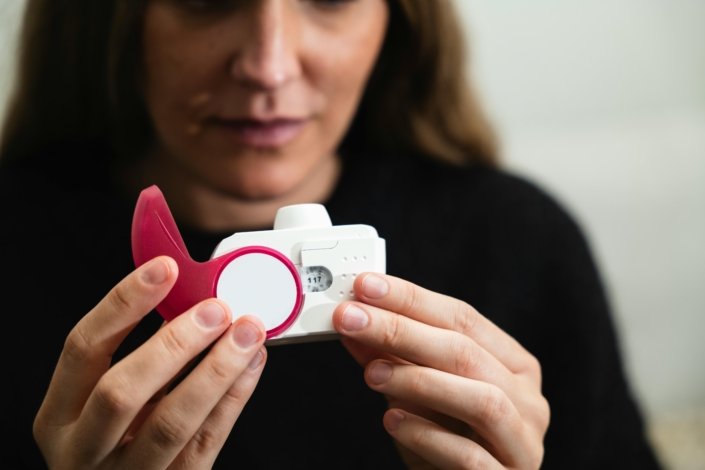
Spirometers are a vital tool for the diagnosis of COPD. The test measures airflow and volume. In Latin America, it is often underused by primary care providers because of limited access to spirometers, short appointment windows and insufficient training to perform and interpret tests.
Throughout 2022 and 2023, the Brazilian Ministry of Health, in conjunction with the Hospital das Clínicas of the Federal University of Minas Gerais, began putting into place the Telespirometry System Brazil (TS-BR). The initiative aims to provide training and spirometers to specialists. As of 2024, 147 municipalities had participated in the program.
Pharmaceutical giant AstraZeneca launched Smart Spiros in Panama to improve the rate of diagnosis of COPD. Around 7,500 tests are expected to be performed by the end of 2025, which could help diagnose nearly 50% of COPD cases.
Increasing Awareness
The survey by Vital Strategies discovered that 34.6% of Brazilians questioned avoided seeking care because they assumed their health issue wasn’t serious enough to merit a visit. To combat this, World COPD Day takes place worldwide on the third Wednesday in November. It encourages health organizations to educate people about symptoms and possible treatments regularly.
In 2017, Paraguay’s Health Ministry dedicated an entire week to training, education and testing patients. This work is important because early diagnosis is crucial to preventing exacerbations that can result in costly, lengthy hospital stays.
From Underdiagnosis to Action
As of 2024, COPD was the fourth-leading cause of death globally. COPD underdiagnosis in Latin America has been a major issue that national and international organizations are working to quantify and resolve. For people living in poverty, illness and loss of income can become a crippling situation that further diminishes their earning capacity or entirely prevents them from earning a livelihood.
Despite challenges, such as a lack of education, spirometers and trained professionals, universities, international organizations and governments have come together to put into motion programs that bring much-needed solutions to the public.
– Johanna Lorena Arredondo González
Johanna is based in Pittsburgh, PA, USA and focuses on Technology and Global Health for The Borgen Project.
Link to published article