How Keeping Mental Health Issues A Secret Is Making Things Worse
One of Google’s most popular searches after typing “I need help” is followed by “with my mental health.” Another similar inquiry is, “Can you self-treat a mental illness?”
Having searched the internet for solutions to nearly every single one of our problems, perhaps we shouldn’t be surprised by this attempt at self-reliance. But, doesn’t it also strike a nerve to even consider that anyone would prefer to keep their concerns quietly to themselves rather than seek professional help? We would not hesitate to see a doctor for any kind of persistent physical pain. So, why avoid them when it comes to mental suffering?
Human civilization has survived throughout the ages in great part because of our cooperative nature. We are social creatures that need to share knowledge and skills if we desire to further our progress. And yet, this is one instance in which asking for help could make our life more challenging. So we choose not to talk about it, and we suffer in silence.
Neglecting a mental health issue will not cause it to go away. Instead, it will keep getting worse until it directly or indirectly affects your job stability, financial situation, physical health, or make you vulnerable to being taken advantage of by others. It can even lead to suicide.
There are a few reasons people don’t seek help: lack of knowledge to identify features of mental illness or how to access treatment, and fear of prejudice or discrimination.
As previously noted, the search for knowledge often begins on the internet. While there are several reputable online tools and web pages that can provide us with lists of symptoms, don’t you have to know what you’re looking for? If you have a headache, how many possible ailments could cause it? What about the symptoms you can’t see in yourself yet?
When a decision to seek treatment is reached, cost and privacy can become the next deciding factors. With a rise in low-cost therapeutic online services, these have become the most likely first step toward seeking help. How well they work is still under question, but at least they are highly convenient and offer a discreet ear.
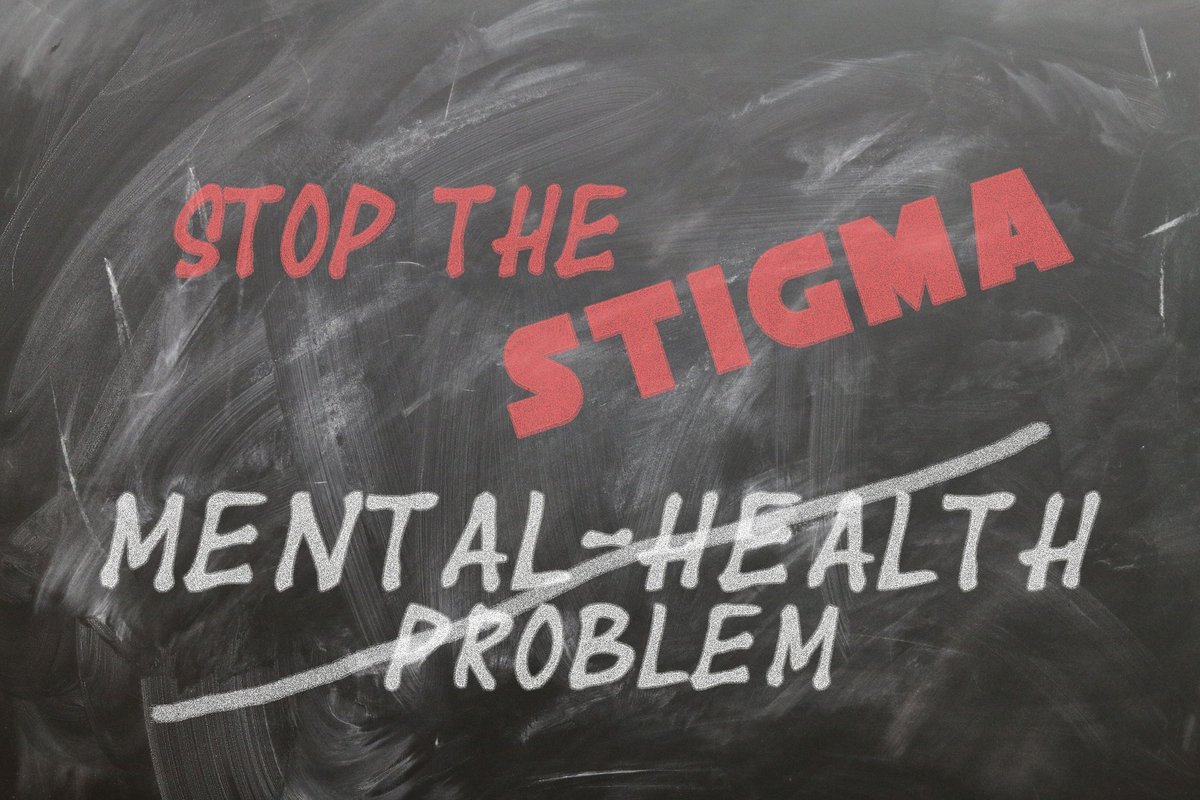
The real root of the problem lies within the stigma associated with mental illness. Too often, this is the reason we keep silent when we should be speaking up. "How will my friends, family and society react to the fact that there is something wrong with me?"
Despite improved efforts by multiple organizations and governments, the battle to eliminate prejudice around mental health still rages on. Fear born from prejudice leads to discrimination. In the view of many, the mentally ill are more violent and unpredictable. Mental issues are often seen as the fault of the sufferer.
If your first instinct is to resort to education to solve this problem, you wouldn’t be the first. However, literacy has led to little more than support for services, without actually decreasing the stigma around mental health. There has been far more success with engagement, meetings, and conversations with people who have overcome mental illness themselves.
In other words, we need to talk about it. Those who have sought help and recovered from their ailments must share their experiences with the world and help them understand that with the right treatment, there is a way back. We are all just people, and we are all made of the same stuff.
Whether you should be diagnosed by a professional or maybe just feel a little out of control in your life, you deserve a society that is there to support you and lend you its resources. You should be able to say, “I need help,” and know that you can rely on other fellow humans, who may also need help one day, to stay by your side until things get better.
If you have ever needed help but said nothing, if you need help now but fear making yourself look vulnerable, or if someone you love has a mental health issue but you feel embarrassed by it, talk about it. Your voice is the secret to eliminating the stigma around mental illness. Only through conversation can we create an environment where admitting that we’re not well, leads to a path to getting better.